

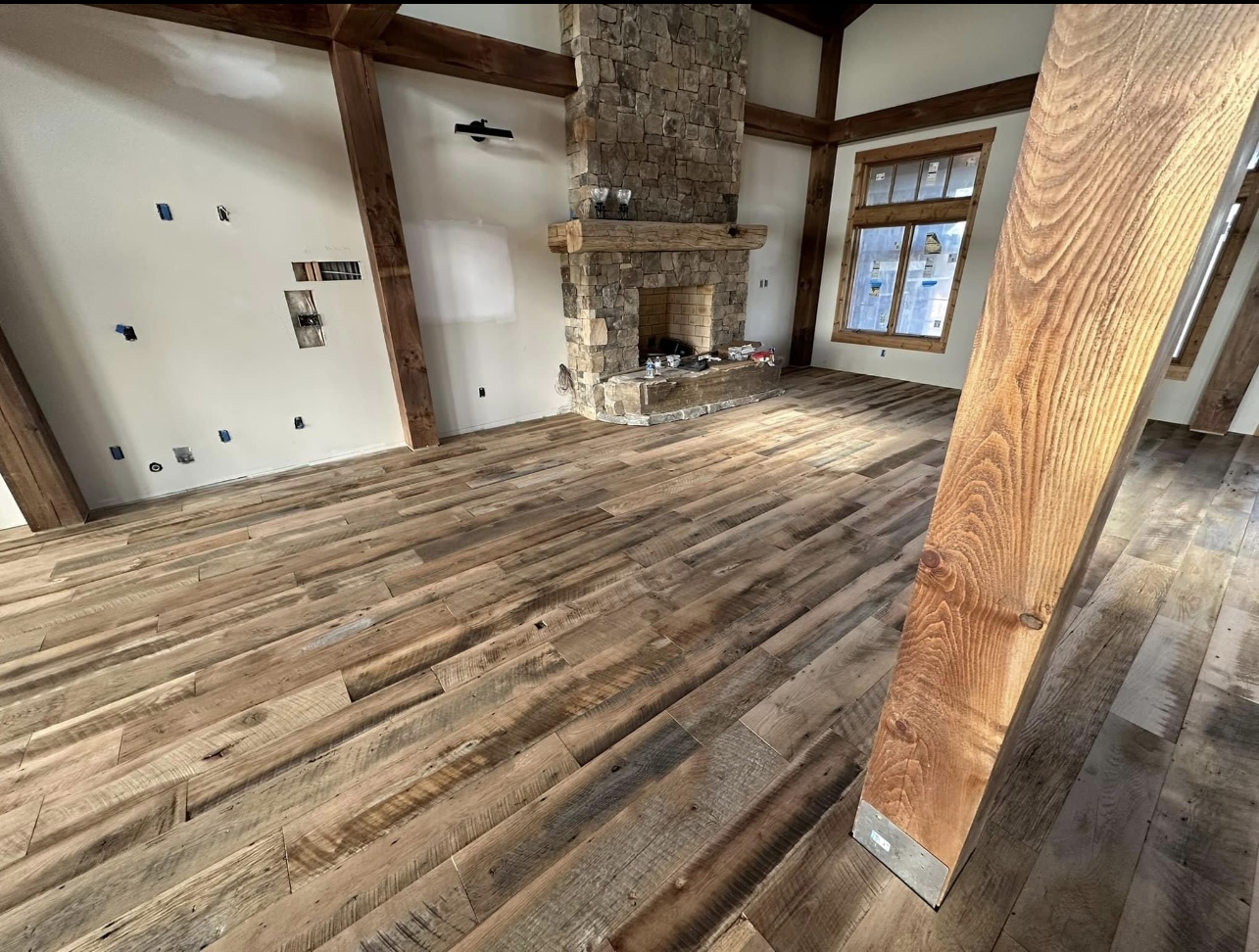
A Sicklerville homeowner may expect hardwood installation to begin as soon as the boxes arrive. In reality, the flooring often needs time inside the home before the first board is fastened. That waiting period, called acclimation, helps the material adjust to the temperature and humidity of its new surroundings.
Skipping this step can create problems after installation. Boards may expand, contract, develop gaps, or press tightly against one another. Proper preparation gives your new floors a better chance of staying stable through New Jersey’s changing seasons.
What Hardwood Acclimation Actually Does
Wood naturally responds to moisture in the air. During humid South Jersey summers, planks can absorb moisture and expand. Dry winter air has the opposite effect, pulling moisture from the material and causing it to contract.
Acclimation allows the flooring’s moisture content to move closer to the conditions inside your home. It does not stop natural movement, but it makes sudden changes less likely. The goal is a floor that performs predictably instead of reacting dramatically after installation.
The exact timeline depends on the product, construction, species, and jobsite conditions. Solid and engineered materials may require different handling. Your installer should follow the manufacturer’s instructions rather than relying on a single standard number of days.
Why the Jobsite Matters
Boxes should not be stored in an uncontrolled garage, damp basement, or outdoor shed. The material needs to sit in the rooms where it will be installed, with the home’s heating or cooling system operating normally.
Subfloor moisture also deserves attention. A clean, dry, and level surface supports a more reliable installation. If the subfloor remains damp, acclimating the planks alone will not solve the underlying issue.
Professionals also inspect the delivery for damaged boards and verify that the selected material suits each room. Comparing engineered hardwood selections can help homeowners consider construction types that may perform well over different subfloors.
New Jersey’s Seasonal Changes Make Preparation Important
Homes in Winslow Township and throughout South Jersey experience cold, dry winters and warm, humid summers. Those swings place repeated stress on wood flooring, especially in rooms near exterior doors, kitchens, and large windows.
Indoor humidity should remain reasonably consistent before, during, and after installation. Excessive moisture can affect both the flooring and the subfloor. A professional can evaluate the space, discuss ventilation, and explain which conditions should be corrected first.
Species also influence the conversation. Oak, maple, hickory, and other woods respond differently to environmental changes. Reviewing an oak hardwood collection gives homeowners a practical starting point, but the best selection still depends on the room and installation method.
What Homeowners Should Expect From the Installer
A careful project begins before the crew opens the first carton. The team should assess the jobsite, confirm product details, check moisture levels, and explain the acclimation schedule. That preparation may add time, but it reduces the risk of avoidable repairs.
Ask how the flooring will be stored, which humidity range is recommended, and what happens if the home is not ready. Clear answers help you plan around furniture delivery, painting, and other renovation work.
If existing floors are worn but structurally sound, replacement may not be necessary. Dustless hardwood refinishing can renew the surface while preserving boards that still have useful life. A family-owned business such as All Pro Interiors can help compare that route with installing new material.
Acclimation is a small part of the overall project, but it protects a significant investment. Visit the Sicklerville showroom on Route 42, arrange a shop-at-home consultation, or request your free estimate to discuss the right preparation for your home.


